Formation and Early Years (1936-1958)
Founding and Ideological Roots
Inspiration and Context:
Pierre Gemayel, a Maronite Christian, was inspired by the youth organizations he observed in Nazi Germany, which emphasized discipline, nationalism, and militarism. He sought to create a similar organization to instill these values among Lebanese Christians.
Early Structure:
The party initially started as a youth movement, emphasizing physical fitness, paramilitary training, and civic education. It quickly evolved into a broader political organization advocating for Lebanese independence from French colonial rule.
First Activities:
The Kataeb organized marches, rallies, and educational programs to promote its ideals. It also established branches across Lebanon, becoming one of the first organized political parties in the country.

Key Ideological Tenets
Lebanese Nationalism:
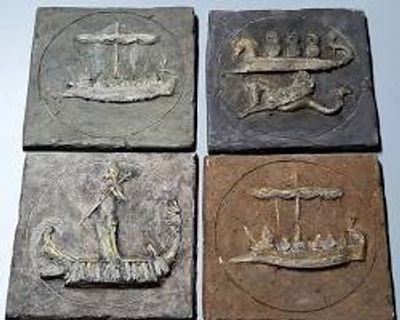
Emphasis on Lebanon's distinct identity, separate from its Arab neighbors, promoting the idea of Phoenician heritage.
Christian Maronite Identity:
Focus on preserving the political and cultural dominance of the Maronite community within Lebanon's multi-sectarian society.
Anti-Communism and Anti-Colonialism:
Opposition to both Western colonial powers and Soviet influence, advocating for a third path of Lebanese sovereignty.
Growing Influence and Political Role (1958-1975)
Founding and Ideological Roots
Inspiration and Context:
Pierre Gemayel, a Maronite Christian, was inspired by the youth organizations he observed in Nazi Germany, which emphasized discipline, nationalism, and militarism. He sought to create a similar organization to instill these values among Lebanese Christians.
Early Structure:
The party initially started as a youth movement, emphasizing physical fitness, paramilitary training, and civic education. It quickly evolved into a broader political organization advocating for Lebanese independence from French colonial rule.
First Activities:
The Kataeb organized marches, rallies, and educational programs to promote its ideals. It also established branches across Lebanon, becoming one of the first organized political parties in the country.

Expansion and Electoral Success
1960s and 1970s:
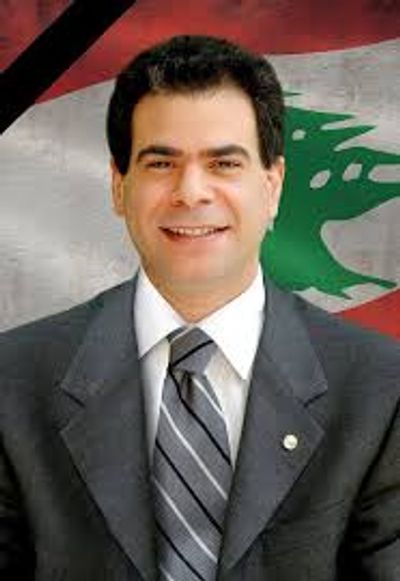
The Kataeb Party expanded its political influence, securing significant representation in the Lebanese Parliament. It became a key player in forming government coalitions and influencing policy.
Pierre Gemayel's Leadership:
Pierre Gemayel's leadership was characterized by strong organizational skills, strategic alliances, and an unwavering commitment to the party's ideals.
Events of 1970:
In the village of Kahale, an incident occurred involving an exchange of fire between the Kataeb Regulatory Forces and Palestinian armed groups. The clash resulted in casualties and heightened tensions between the local Christian population and Palestinian fighters.
Significance:
The incident in Kahale underscored the escalating conflict between Palestinian guerrillas and Lebanese nationalist forces, particularly within Christian areas. It highlighted the growing role of the Kataeb Party as a defender of Christian communities against perceived external threats.
Impact on Kataeb:
The Kahale incident reinforced the Kataeb Party's resolve to protect Christian areas and increased its popularity among the Maronite population. It also marked the beginning of more frequent and intense confrontations between Lebanese Christian militias and Palestinian groups, setting the stage for the broader conflicts that would erupt in the mid-1970s.
Escalation of Conflict:
The clash in Kahale contributed to the rising tensions that would eventually lead to the outbreak of the Lebanese Civil War in 1975. It also demonstrated the volatile nature of Lebanese politics and the complex interplay of local, regional, and international factors.

Lebanese Civil War (1975-1990)
Key Events and Alliances
Karantina (January 1976):
Kataeb forces attacked the predominantly Palestinian slum of Karantina in East Beirut. This event highlighted the brutal sectarian nature of the conflict.
Siege of Tel al-Zaatar (Summer 1976):
The Kataeb, alongside other Christian militias, besieged the Palestinian refugee camp of Tel al-Zaatar, leading to a prolonged and bloody battle. The camp eventually fell, with high casualties among the Palestinian population.
Lebanese Front:
The Kataeb was a founding member of the Lebanese Front, an alliance of Christian parties and militias that coordinated military and political strategies during the war.
Outbreak and Early Involvement
Civil War Begins:
The Lebanese Civil War erupted in April 1975 after a series of violent incidents, including a bus attack in Ain el-Rammaneh, a Christian suburb of Beirut, which involved Kataeb militiamen.
Militia Formation:
The Kataeb Regulatory Forces, the party's paramilitary wing, became one of the most powerful Christian militias, engaging in fierce battles to defend Christian areas and expand territory.
Bashir Gemayel's Leadership and Assassination
Rise to Power:
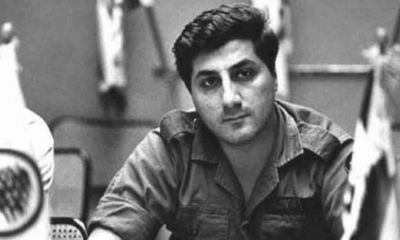
Bashir Gemayel, Pierre's son, emerged as a charismatic and dynamic leader of the Kataeb militia. He sought to unify Christian militias under his command.
Presidential Election and Assassination:
In August 1982, Bashir was elected President of Lebanon but was assassinated on September 14, 1982, before taking office.
Amine Gemayel's Presidency
Succession:
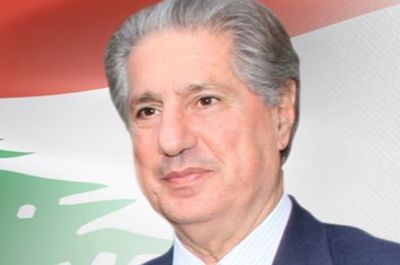
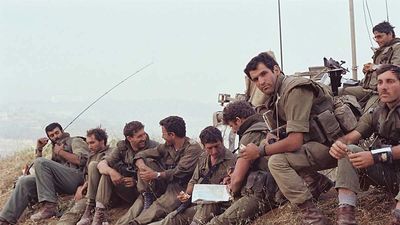
Following Bashir's assassination, Amine Gemayel became President. His tenure was marked by attempts to stabilize the country amid ongoing conflict, Israeli occupation of southern Lebanon, and Syrian intervention.
Post-War Period (1990-2005)
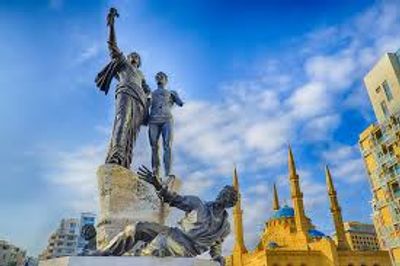
Post-War Reconciliation and Rebuilding
Taif Agreement:
The 1989 Taif Agreement, which ended the civil war, redistributed political power among Lebanon's sectarian groups, reducing the political dominance of Christians.
Reconstruction Efforts:
The Kataeb Party sought to rebuild its political base in a post-war Lebanon dominated by Syrian influence. The party struggled to regain its pre-war influence but remained a significant player.
Internal Divisions and Reunification
Factionalism:
The party experienced internal splits during the late 1980s and 1990s, with factions led by Amine Gemayel and Elie Karameh vying for control.
Reunification in 2000:
The party officially reunited in 2000, consolidating its efforts to restore its political influence and appeal to a broader base.
Assassination of Pierre Amine Gemayel
Assassination
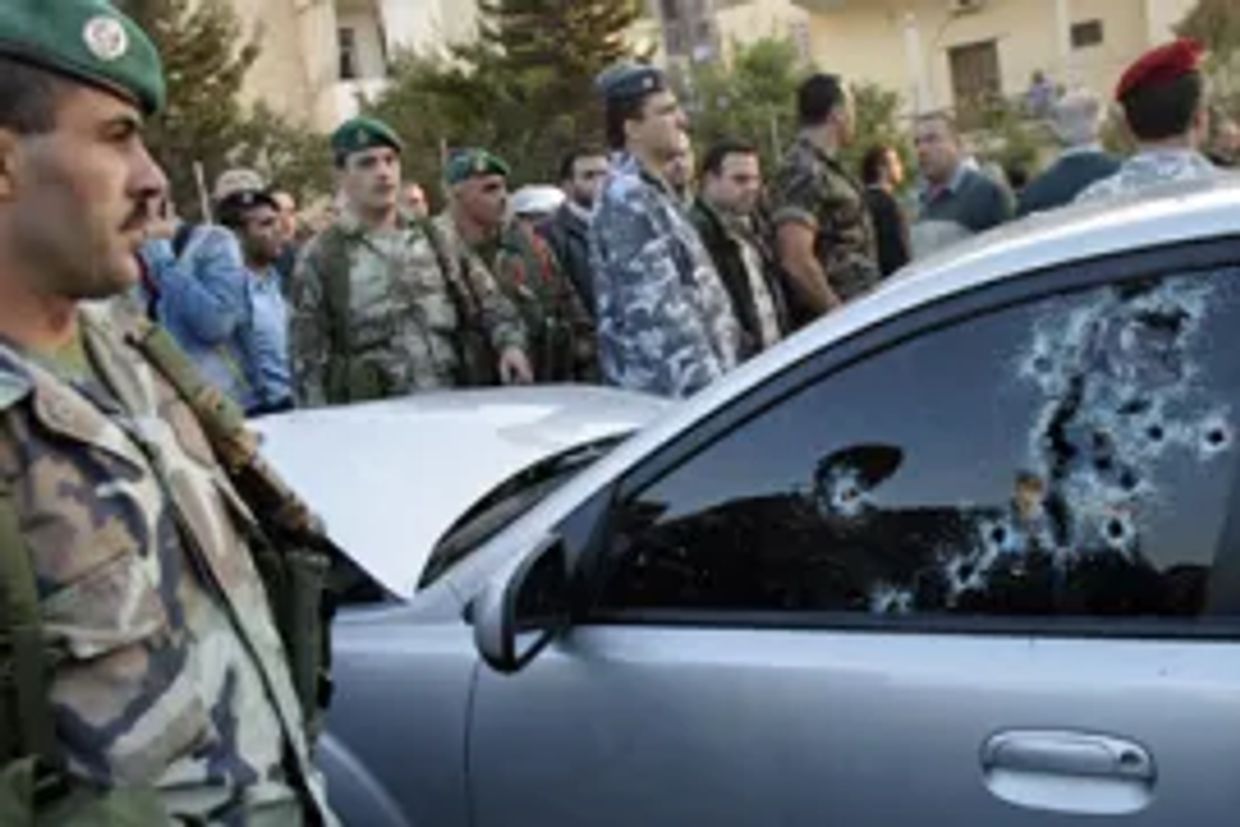
On November 21, 2006, Pierre Amine Gemayel, a prominent young leader and Minister of Industry, was assassinated in a targeted attack. His death was widely believed to be politically motivated, linked to his opposition to Syrian influence in Lebanon.
Impact
The assassination galvanized the Kataeb Party and its supporters, reinforcing their commitment to Lebanese sovereignty and opposition to Syrian interference.
Modern Era (2005-Present)
Amine Gemayel's Presidency
Succession:
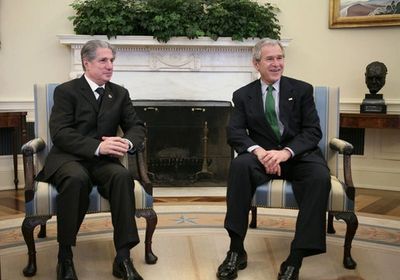
Following Bashir's assassination, Amine Gemayel became President. His tenure was marked by attempts to stabilize the country amid ongoing conflict, Israeli occupation of southern Lebanon, and Syrian intervention.
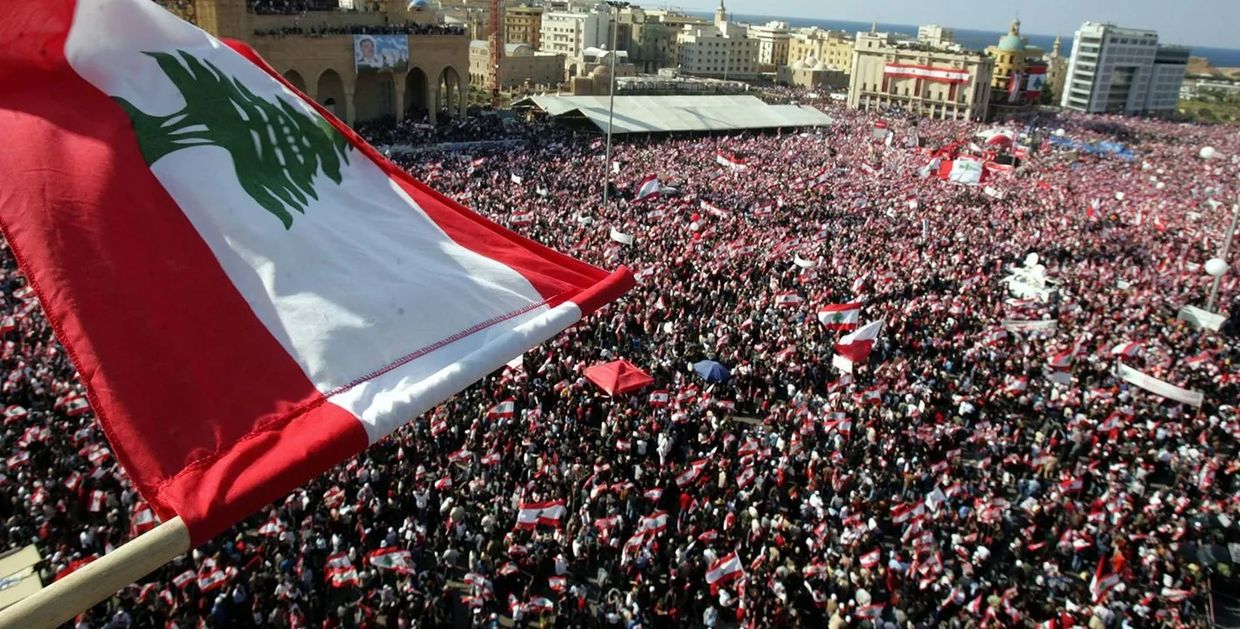
Cedar Revolution and Syrian Withdrawal
Assassination
On November 21, 2006, Pierre Amine Gemayel, a prominent young leader and Minister of Industry, was assassinated in a targeted attack. His death was widely believed to be politically motivated, linked to his opposition to Syrian influence in Lebanon.
Impact
The assassination galvanized the Kataeb Party and its supporters, reinforcing their commitment to Lebanese sovereignty and opposition to Syrian interference.

Recent Challenges and Positions
Economic Crisis:
Lebanon's severe economic crisis, marked by hyperinflation, unemployment, and public debt, has posed significant challenges. The Kataeb Party has been vocal in calling for comprehensive economic and political reforms.
Protest Movements:
The party has supported various protest movements, including the 2019 October Revolution, which called for the resignation of the entire political class and the implementation of anti-corruption measures.
Conclusion
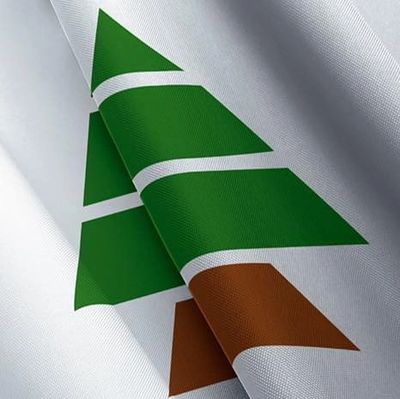
The Lebanese Kataeb Party has had a profound impact on Lebanon's history, particularly during critical periods such as the Lebanese Civil War and the post-war reconstruction era. Despite facing numerous challenges, assassinations, and external pressures, the party has managed to adapt and remain a significant force in Lebanese politics. Today, under the leadership of Samy Gemayel, the Kataeb Party continues to advocate for a sovereign, neutral, and economically stable Lebanon, striving to address the complex issues facing the country and its people.